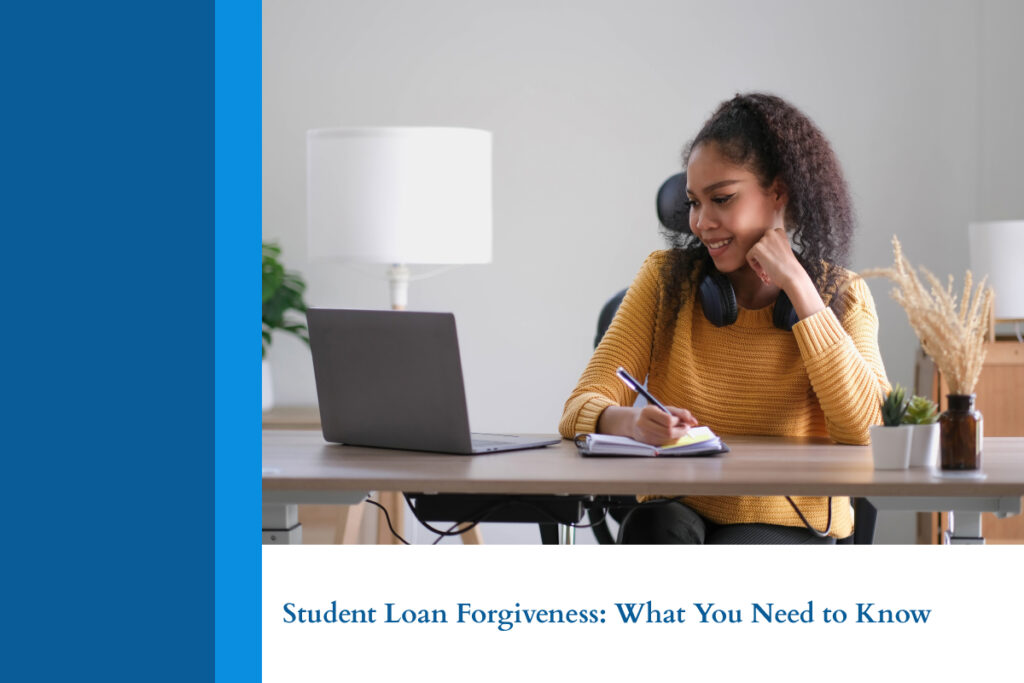
Graduating with student debt is a reality for many Canadians, and the idea of reducing or eliminating that debt can be life-changing. Thankfully, student loan forgiveness exists in Canada. However it is not automatic, and is governed by specific rules about eligibility, service requirements, and how much relief you may receive. If you’re planning your repayment strategy for 2026 and beyond, understanding these programs early can help you make confident financial decisions. At MMT Chartered Professional Accountants, we help clients make sense of complex financial topics so they can move forward with clarity and peace of mind.
What Is Canada Student Loan Forgiveness?
Canada’s federal government offers loan forgiveness to borrowers as part of the Canada Student Loan Forgiveness program. The goal of this program is to encourage professionals, especially in sectors with hiring challenges, to work in eligible communities while offering relief from part of their federal student loan debt. Forgiveness applies only to the federal portion of your loan; provincial or territorial loans may have separate programs or criteria.
To qualify, you may need to:
- Work in an eligible occupation.
- Work in an eligible community (often rural or under-served).
- Be employed continuously in that role for about 12 consecutive months.
- Provide a minimum of 400 hours of in-person service during that period.
- Have a Canada Student Loan that is in good standing (paid up to date).
Who Qualifies Under the Expanded Program
The eligibility list has grown in recent years. Originally focused mainly on family doctors, nurses, and nurse practitioners, the Canada Student Loan Forgiveness program now includes a broader set of occupations as of December 31, 2025. Eligible professions include:
- Family Doctors and Family Medicine Residents.
- Nurse Practitioners and Registered Nurses.
- Licensed Practical Nurses and Registered Psychiatric Nurses.
- Dentists and Dental Hygienists.
- Early Childhood Educators and Teachers.
- Midwives, Physiotherapists, Psychologists, Social Workers.
- Personal Support Workers and Pharmacists.
These expansions increase the number of borrowers who may receive forgiveness when they work in qualifying rural or under-served communities.
To determine whether a community qualifies, the government uses criteria such as rural location or population size (generally centres with 30,000 people or fewer), though certain transitional rules apply. There is a full list of qualifications and other regulatory information for Canada Student Loan Forgiveness is available on the Government of Canada website page.
Understanding How Much You Could Receive
The amount of loan relief depends on your profession and how long you remain eligible. Forgiveness benefits accumulate year by year, up to a maximum period of five years. Your outstanding federal loan balance is reduced after each year of qualifying service. This can help make your repayments smaller, and relieve the financial burden.
We at MMT are here to help you through the rules and regulations and get your loan resolved as efficiently as possible.
How to Apply and What Comes Next
Once you’ve completed your qualifying year of employment, you must apply for forgiveness within 90 days. Application is done through the National Student Loans Service Centre (NSLSC). If you’re already in repayment, you can apply while continuing to make regular payments; forgiveness applies after eligibility is confirmed.
The application process may include proving your employment, hours worked, and community location. Keeping organized records of your service and employment documentation makes this process smoother. This could include clock-in receipts or paystubs.
Key Things to Know And Remember About Student Loan Forgiveness
One of the most important things to remember is that only the federal portion of your loan is eligible for forgiveness. If you have provincial loans, these may have separate programs. Other considerations include how eligible occupations and communities matter (often rural or under-served). You must work in that role for 12 consecutive months with at least 400 hours of in-person service.
Vital to note as well is that application deadlines are strict: You generally have 90 days after qualifying service to apply. Being on time is key. Finally, a good benefit is how benefits accumulate annually up to a maximum period, reducing your outstanding balance. Understanding these requirements can help you decide whether loan forgiveness is a practical part of your debt strategy.
Why Planning Matters
Student loan forgiveness can significantly ease repayment burdens, but it’s not automatic. Being proactive, understanding eligibility, tracking your service hours, and preparing your application, increases your chances of success and helps you avoid missed deadlines.
At MMT Chartered Professional Accountants, we aim to help clients factor education debt and repayment strategies into broader financial planning. Whether you’re navigating the complex student-related tax considerations or planning your career trajectory with debt relief in mind, tailored advice can make all the difference.
Whether you’re nearing repayment or exploring long-term career opportunities, knowing the rules and steps for student loan forgiveness in Canada ensures you’re prepared to make informed choices about your financial future.
Contact us today to start the journey to a well informed and personally tailored future.
The articles posted here provide information of a general nature. These articles should not be considered specific advice; as each visitor’s personal financial situation is unique and fact specific. Please contact a professional advisor prior to implementing or acting upon any of the information contained in these articles.