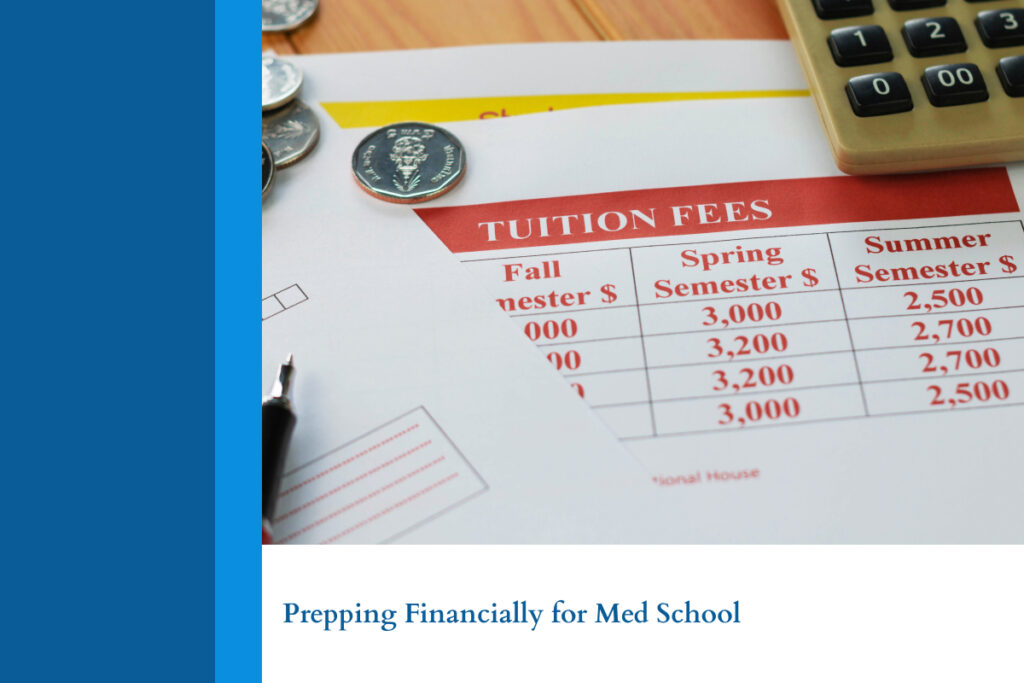
Entering medical school is an exciting milestone, but it also marks the beginning of a major financial commitment. With tuition, living expenses, books, and travel costs to manage, students often face significant debt before they even begin practising. That’s why prepping financially for med school is crucial. From budgeting to tax strategies, building a strong financial foundation early on can ease stress and set you up for long-term success. At MMT CPA, we offer financial and tax planning for doctors at all stages of their careers, including those just entering medical school.
Whether you’re beginning your first year or preparing for residency, it’s important to develop good money habits and take advantage of the financial tools available to you. Establishing a clear strategy now can reduce the burden of debt and help you make smarter financial decisions as your career advances.
Creating a Realistic Budget
Budgeting is one of the most essential tools for med students. With limited income and high expenses, it’s easy to underestimate how quickly costs can add up. Start by tracking your monthly expenses and separating your fixed costs (like rent, tuition, and insurance) from variable ones (like food, travel, and entertainment). This gives you a clear picture of where your money is going and where you can cut back.
Many students rely on a combination of savings, student loans, scholarships, and part-time work. Whatever your funding sources, your budget should prioritize essential expenses while still allowing for a modest emergency buffer. Planning ahead makes it easier to avoid accumulating unnecessary consumer debt, such as high-interest credit card balances.
If you’re not sure how to organize your finances or want help creating a plan, speaking with a CPA who understands medical education expenses can provide structure and clarity.
Understanding Student Loan Options and Interest
Most Canadian med students will require financial assistance through government student loans. These loans often offer lower interest rates and flexible repayment terms compared to private loans. In some provinces, the interest on federal student loans has been permanently eliminated, reducing your repayment burden after graduation.
While you may not need to start repayment until after you finish school or residency, interest may begin accruing during this time. Knowing the terms and grace periods of your loans is important so you can make informed decisions about borrowing and budgeting. The National Student Loans Service Centre is a helpful resource for tracking and managing government student loans.
Some students also consider professional lines of credit, often offered by banks in partnership with medical schools. These provide flexible access to funds at a low interest rate, but they should still be used wisely and tracked alongside other obligations.
Tax Tips for Medical Students
Even if you’re not earning much income while in school, filing your taxes properly can unlock valuable credits and long-term benefits. One of the most significant advantages for medical students is the tuition tax credit. Each year, you can claim the eligible tuition fees you paid, which reduces the amount of income tax you owe.
If you don’t have enough taxable income to use the credit right away, you can carry it forward to future years or transfer a portion of it to a parent, spouse, or grandparent. Keeping all your school-issued receipts and tax forms organized will help ensure you don’t miss out.
Other potential opportunities include credits such as the Canada Training Credit or deductions for moving expenses if you relocated for school. Eligibility can vary, so it’s worth reviewing current CRA guidelines or working with a professional. MMT’s personal tax filing services help medical students file accurately and take full advantage of every available tax benefit.
Building Credit While Managing Debt
Developing a healthy credit profile during medical school will benefit you later when you need to apply for a mortgage or practice loan. Opening a student credit card and making consistent, on-time payments is a good start. Just be cautious not to carry high balances or miss payments, as this can damage your credit and cost you in interest charges.
Avoid relying on credit cards for essentials like groceries or textbooks unless it’s part of a planned, repayable budget. Instead, use them for occasional, manageable expenses and always aim to pay off the balance in full each month.
Keeping student loans and other debts organized, making interest payments when possible, and staying under credit limits will help keep your financial health intact throughout med school.
Planning for the Transition to Residency and Practice
Although it may seem far off, your transition into residency and eventual independent practice will come with new financial realities. You’ll start earning an income, but you’ll also have to manage tax instalments, insurance, licensing fees, and possibly incorporation.
By prepping financially for med school now, you’ll be in a stronger position to handle those transitions. You can begin saving for emergencies, retirement, or practice start-up costs and understand how to structure your income effectively.
At MMT CPA, we work closely with physicians and healthcare professionals through every stage—from the first year of med school to retirement. Our team offers practical advice on budgeting, taxes, incorporation, and long-term planning, so you can focus on your studies and career with peace of mind.